Urgent office clearance near The Oval same day service
Posted on 13/06/2026
Urgent office clearance near The Oval same day service: a practical guide for fast, stress-free removals
If you need Urgent office clearance near The Oval same day service, you are probably dealing with a deadline that does not care about your calendar. A lease handover is looming, a refit team is waiting, or the office has to be cleared before the next working day. It happens. And when it does, speed matters, but so does doing the job properly.
This guide explains what same-day office clearance involves, how the process usually works near The Oval, what to look for in a provider, and how to avoid the last-minute mistakes that can turn a hectic day into a messy one. You will also find a checklist, a comparison table, and a few grounded tips from real-world office clearance situations. No fluff. Just the stuff that helps.
One quick note: urgent does not have to mean chaotic. With the right planning, a same-day clearance can be surprisingly orderly. A bit noisy, maybe. A bit of tape, a few boxes, the lift making that familiar soft groan. But orderly all the same.
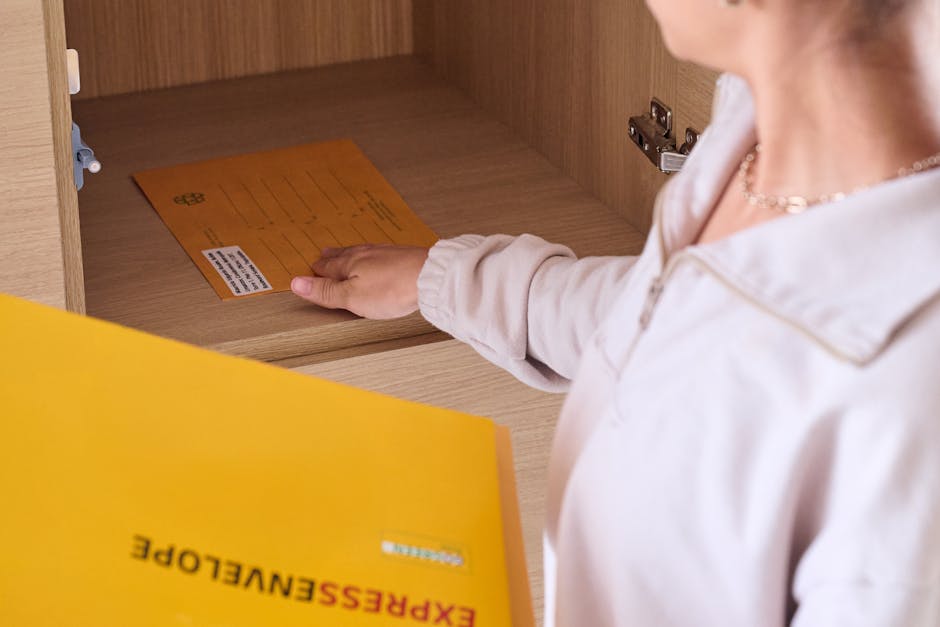
Why Urgent office clearance near The Oval same day service Matters
Office clearance is rarely just about taking furniture away. In practice, it is about time pressure, access, responsibility, and getting a space ready for whatever comes next. Near The Oval, that can mean working around busy roads, managed buildings, shared lifts, and fairly tight turnaround windows. If you are in a professional building or a smaller converted office, a delayed clearance can affect everyone from landlords to IT teams to the cleaners coming in behind you.
Same-day service matters because the cost of waiting is often bigger than people expect. A delayed clearance can mean missed handback deadlines, extra rent, penalties from building managers, or simply one more day of staff disruption. And let's be honest, once a room is half-packed, nobody enjoys working around stacks of old desks and random cables for another 48 hours.
There is also the emotional side. Urgent clearances often happen during change: a relocation, a closure, a merger, or a major restructuring. That is already enough to manage. A fast, well-run clearance takes one burden off your plate. That counts for a lot.
Key point: a same-day office clearance is not just a removals job. It is a time-sensitive workspace reset, and the best outcomes come from clear scope, fast communication, and a team that knows how to work around real building conditions.
How Urgent office clearance near The Oval same day service Works
Although every job is a little different, the process usually follows a similar pattern. The more detail you give upfront, the smoother it tends to go. That sounds obvious, but in a rush it is exactly the sort of thing people skip.
1. Initial assessment
You share the essentials: office size, types of items, access details, floor level, parking options, time restrictions, and whether anything needs special handling. If you can send photos, even better. A quick visual can save a lot of back-and-forth. A pile of modular desks is one thing; a server cabinet, a locked archive cupboard, and twelve monitor arms are another.
2. Scheduling and arrival window
Same-day clearance depends on immediate availability. In busy parts of London, a provider may give a realistic arrival window rather than a precise minute. That is normal. Truth be told, in central areas traffic and building access can be a little unpredictable. A good provider will say so plainly rather than overpromising.
3. On-site sorting
Once the team arrives, items are usually separated into categories: reusable office furniture, recycling, electronic waste, confidential material, and general waste. This is where an organised crew saves time. You want people who can move quickly without turning the office into a jumble.
4. Safe removal
Furniture is taken out carefully, with attention to lifts, hallways, floors, and neighbouring businesses. If you have fragile signage, plant, reception items, or a tight stairwell, the team should work around those constraints rather than forcing the issue.
5. Clearance sweep and handover-ready finish
A decent same-day service should leave the space presentable, not half-finished. That may include a final sweep-through, removal of loose debris, and making sure the main work areas are clear for the next stage. It is not a full deep clean, but it should look like a proper handover preparation rather than a rushed escape.
If confidential paper or hard drives are involved, ask how those items are handled before the job starts. Do not leave that detail until the van is already outside. That is a common mistake, and an unnecessary one.
Key Benefits and Practical Advantages
There are plenty of reasons people choose a same-day clearance rather than a standard booking. Speed is the obvious one, but it is only the start.
- Fast turnaround: You can clear an office within hours rather than stretching the job across several days.
- Lower operational disruption: Staff can keep working around the clearance or move on to the next task sooner.
- Better deadline control: Useful when a lease ends, a refurbishment starts, or a landlord inspection is imminent.
- Reduced storage pressure: You avoid moving unwanted items into a temporary corner, only to handle them again later.
- Cleaner transition: A structured clearance makes relocation, consolidation, or closure feel less messy.
- Practical waste separation: Reuse, recycling, and disposal can be handled in a more organised way.
For offices near The Oval, another advantage is local responsiveness. A nearby team is usually better placed to work within narrow time windows, manage urban access issues, and adapt if building entry is delayed by a lift booking or security check. That local familiarity can be worth its weight in time saved.
Expert summary: if your main challenge is time, a same-day clearance is often the best option when the workload is manageable, access is clear enough, and you can make fast decisions on the day. If the job includes large amounts of archived material, specialist kit, or heavy furniture spread across multiple floors, the planning matters even more.
Who This Is For and When It Makes Sense
This service is a strong fit for a few common scenarios. You may recognise yourself in one of them straight away.
Businesses facing a move-out deadline
When keys need to be returned, every hour matters. Same-day clearance helps you meet landlord expectations and avoid last-minute panic. It is often the difference between a calm handover and a very late coffee, half-drunk, while waiting for the final desk to disappear.
Companies downsizing or consolidating
If a business is shrinking its footprint or merging teams into fewer rooms, urgent clearance can help free up space quickly. That can be especially useful in shared buildings where unused furniture blocks access or creates safety issues.
Startups and growing teams
Fast-moving teams often upgrade premises quickly. One week the office feels lively and a bit temporary; the next, you need the old furniture out before the fit-out crew arrives. Same-day service suits that pace.
Facilities managers and landlords
Sometimes the pressure comes from building readiness rather than a tenant move. If a space needs clearing for inspection, refurbishment, or new occupancy, an urgent service can keep the schedule intact.
Offices with sensitive or cluttered spaces
If the room has been used for storage, filing, outdated equipment, or mixed-use overflow, the job may need sorting as well as removal. That is a good moment to bring in experienced help, because clutter has a habit of hiding more clutter.
Ask yourself this: do you need the space empty today, or merely "soon"? If the answer is today, or possibly tomorrow morning, a same-day clearance is not a luxury. It is the sensible choice.
Step-by-Step Guidance
If you want the clearance to run smoothly, the best thing you can do is treat it like a short project with a clear endpoint. Not glamorous, but effective.
- Define what must go. Separate furniture, IT equipment, paperwork, fixtures, and anything staying behind. A simple room-by-room note is enough.
- Identify anything sensitive. Mark documents, storage media, employee belongings, and items requiring special care.
- Check access conditions. Note lifts, loading points, parking restrictions, security desks, and time limits. In London, access details can make or break a tight job.
- Take quick photos. They help the provider estimate labour, vehicle size, and the number of team members needed.
- Confirm disposal expectations. Ask what happens to reusable furniture, recycling streams, and electronic waste.
- Prepare the space. Clear walkways, unlock rooms, and label items if needed. The more visible the priority items are, the faster things move.
- Keep one decision-maker available. Someone should be on hand to approve exceptions. A same-day job can stall if nobody can answer simple questions.
- Do a final walk-through. Before the team leaves, check cupboards, behind doors, under desks, and in storage corners. You would be surprised what turns up under a forgotten meeting table.
A small but useful tip: if the office has multiple departments, appoint one point of contact per zone. It is a simple move, but it stops everyone from assuming someone else has handled the last cabinet full of notebooks and cables.
Expert Tips for Better Results
These are the things that tend to make urgent clearances smoother in the real world, especially when the clock is against you.
Be specific about what needs to be removed
"Clear the office" can mean very different things to different people. One team may think you mean desks and chairs only. Another may assume full strip-out. Spell it out. The clearer the scope, the less room for awkward surprises.
Separate must-keep items early
Do not leave precious equipment or personal items mixed in with the clearance pile. Under pressure, things get moved fast. That is the whole point. But fast and careless are not the same thing, thankfully.
Plan for building rules
Many commercial buildings have rules about lift protection, service entrances, time slots, or waste placement. If you know them, share them. If you do not, check before the team arrives. It saves a lot of faffing about in the lobby.
Use labels or coloured notes
Even basic labels can help a lot. Keep, remove, recycle, confidential, to be checked. Simple. It takes minutes and reduces mistakes.
Think beyond furniture
Office clearance often includes monitors, printers, cables, storage units, whiteboards, reception items, and mixed waste. If you forget the smaller stuff, it ends up being the annoying stuff. And the annoying stuff always appears last, somehow.
Choose responsiveness over vague promises
For urgent jobs, clear communication matters more than polished sales language. You want a provider who tells you what they can do today, what needs access, and what might slow things down. Straight answers save time.

Common Mistakes to Avoid
A lot of clearance problems are avoidable. The frustrating part is that they are usually the very same mistakes people make when they are rushing.
- Leaving the booking too late: Same-day service depends on availability. Waiting until the last hour narrows your options.
- Underestimating volume: An office can look small until you start counting chairs, screens, and archive boxes.
- Forgetting access details: A truck may be ready, but if parking or lift access is restricted, the job slows down fast.
- Not separating confidential items: Paper records and data-bearing devices need attention before removal starts.
- Assuming everything is standard waste: Electronic and specialist items often need separate handling.
- Failing to assign a contact person: Without one clear decision-maker, small questions turn into delays.
- Expecting a deep clean from a clearance team: Clearance and cleaning are related, but they are not the same job.
The most avoidable mistake? Not being honest about the scope. If you suspect the job is bigger than first thought, say so. It is much better to be upfront than to be mid-clearance with everyone staring at a locked cupboard that nobody remembered existed.
Tools, Resources and Recommendations
You do not need fancy project tools to prepare for an urgent office clearance, but a handful of practical aids can make life much easier.
- Room-by-room inventory: A simple list helps you track what stays and what goes.
- Phone photos: Handy for quoting, planning, and confirming item types.
- Colour labels or sticky notes: Useful for quick sorting under time pressure.
- Basic floor plan: Even a rough sketch helps identify access routes and priority rooms.
- Internal contact list: Facilities, IT, reception, and management may all need to approve parts of the job.
If you need related services as part of the same move, it can help to look at broader support options. For example, some businesses also need house clearance style support for mixed contents, or a full removal service for larger transitions. If your clearance includes bulky furniture, it may be useful to explore a dedicated office clearance service or broader removals support where the exact scope is more complex. If the space includes old domestic-style furniture or mixed-use stock, a house clearance option may also be relevant in certain situations.
Use those services only where they genuinely fit. The point is to match the job to the right type of support, not to overcomplicate a straightforward clearance.
Law, Compliance, Standards, or Best Practice
Office clearance in the UK touches on a few important responsibilities, especially when waste, electrical items, documents, or storage media are involved. The exact obligations can vary depending on the items, the building, and the client's internal policies, so this is an area where caution matters.
For general best practice, businesses should think about:
- Confidentiality: paper files, employee records, finance documents, and digital devices should be handled carefully.
- Data protection: if hard drives, laptops, or archived records are involved, make sure nothing sensitive is left accessible.
- Waste separation: reuse and recycling should be considered before disposal where practical.
- Electrical items: monitors, printers, and other equipment may need separate treatment from general waste.
- Building rules: landlords and managed offices often have their own move-out conditions and access procedures.
It is also sensible to ask how the provider handles duty of care for waste, especially if your office contains mixed materials. A trustworthy team should be able to explain their process in plain English. If they dodge the question, that is a small red flag. Not a huge drama, but worth noticing.
Practical best practice: make sure the clearance provider knows which items are confidential, which items are reusable, and which items are to be disposed of. That simple distinction keeps the job cleaner, safer, and easier to sign off.
Options, Methods, or Comparison Table
Not every urgent clearance needs the same approach. The right method depends on urgency, item volume, access, and what needs to happen after the room is empty.
| Method | Best for | Pros | Trade-offs |
|---|---|---|---|
| Same-day full clearance | Hard deadlines, handovers, urgent relocations | Fast, efficient, less disruption | Requires clear access and quick decisions |
| Phased clearance | Larger offices with more items | More controlled, easier to sort by department | Takes longer and may need multiple visits |
| Item-by-item removal | Small offices or selective clear-outs | Flexible, precise, less waste | Can be slower if many items are involved |
| Clearance plus relocation | Businesses moving items to a new site | Combines services, simpler logistics | Needs tighter planning and more coordination |
For most urgent jobs near The Oval, the first question is not "what is cheapest?" It is "what gets the space ready on time without causing more problems?" That is the real test. A cheap option that misses the deadline is not cheap at all, if we are being straight about it.
Case Study or Real-World Example
Here is a realistic example based on the kind of urgent clearance many London offices face.
A small professional services office near The Oval needed its workspace cleared before a new tenant inspection the next morning. The team had desks, swivel chairs, archived files, two printers, a stack of old monitors, and a few heavy storage units that nobody had counted properly at first. Classic.
The client's biggest concern was time. The building had a tight loading arrangement, limited lift access, and a narrow window for vehicle access. Rather than treating it like a normal move, the clearance plan was broken into priority zones: reception and meeting areas first, then desks, then storage, then electrical items and leftover bits in the final sweep.
What made the difference was not magic. It was simple organisation: clear labels, one decision-maker, photos shared early, and realistic expectations about what could be removed safely within the day. By late afternoon, the office was clear enough for the next stage to begin. Not perfect in a glossy brochure sense, but ready. Which is what mattered.
The lesson is pretty plain: urgent office clearance works best when the client and provider treat it like a coordinated handover rather than a van turning up and hoping for the best.
Practical Checklist
Use this checklist before the team arrives. It saves time, and it cuts the chance of awkward surprises.
- Confirm the exact rooms or zones to be cleared
- Separate items to keep from items to remove
- Flag confidential papers, hard drives, and employee belongings
- Take photos of the main areas and bulky items
- Check parking, loading, and lift access
- Confirm building rules and time restrictions
- Identify fragile, heavy, or awkward items
- Assign one contact person for decisions on the day
- Ask how reuse, recycling, and disposal will be handled
- Do a final sweep of cupboards, drawers, and storage corners
If you can tick off most of those points before the crew arrives, the job usually goes much smoother. A bit less scrambling, a bit more control. Everyone prefers that.
Conclusion
Urgent office clearance near The Oval same day service is about more than speed. It is about getting a space cleared safely, discreetly, and on schedule when there is little room for delay. The best results come from clear instructions, honest timing, simple preparation, and a team that understands the practical realities of London office access.
Whether you are preparing for a handover, making room for a fit-out, or just trying to remove the last stubborn pile of office clutter, the right clearance approach can make the whole process feel far less overwhelming. And sometimes that is the real win. Not glamour. Not drama. Just a clear room and a deadline met.
When in doubt, keep it simple, keep it organised, and get the urgent work handled properly the first time. That usually saves time, money, and a fair bit of stress.
Get a free quote today and see how much you can save.